A well-maintained garage door opener typically lasts 10 to 15 years, though the actual number varies widely depending on usage frequency, build quality, climate, and how consistently it has been maintained. Understanding what actually determines lifespan helps set realistic expectations and makes it easier to plan ahead rather than being caught off guard by a sudden failure.
What Determines How Long an Opener Lasts
Usage Frequency
An opener in a household with multiple drivers using the garage several times a day will naturally wear out faster than one used once or twice daily. Most residential openers are rated for a certain number of cycles, and heavier daily use simply reaches that number sooner.
Build Quality and Price Tier
Entry-level openers with lighter-duty motors and simpler gear systems tend to have shorter lifespans than mid-range and premium models built with heavier-duty components, particularly belt-drive and screw-drive units designed for durability.
Maintenance History
Lubrication, balance checks, and prompt attention to minor issues can meaningfully extend an opener’s working life. Conversely, an opener that has run for years with no maintenance, a poorly balanced door, or dry, grinding rollers will wear out its motor and gears considerably faster.
Climate and Environment
Extreme heat, cold, humidity, or coastal salt air all accelerate wear on both the mechanical and electronic components. A garage that is not insulated or ventilated puts additional strain on the motor compared to a more temperature-stable environment.
Typical Lifespan by Component
- Motor and gear assembly: 10-15 years with regular maintenance
- Remote controls: 5-10 years, though batteries need replacement every 1-2 years
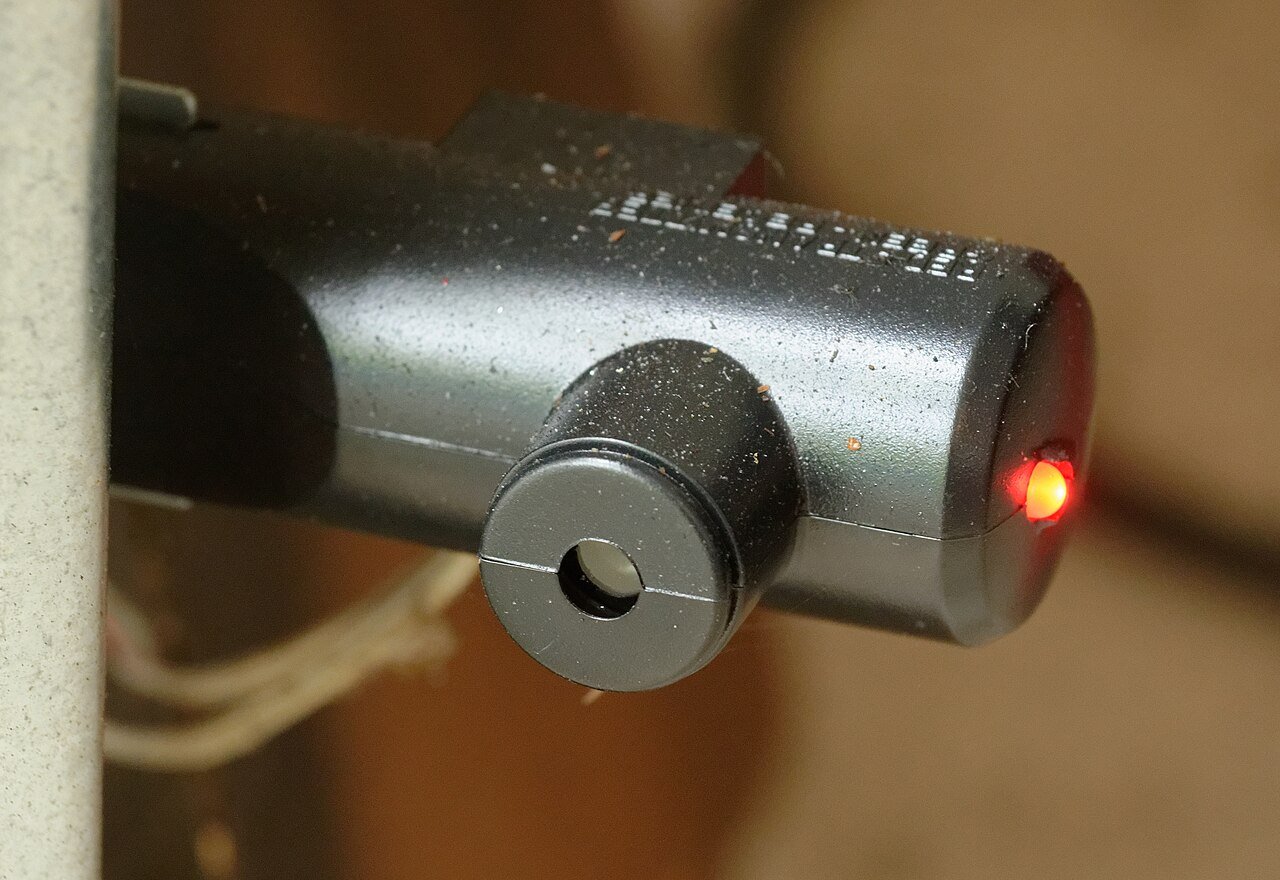
- Photo-eye safety sensors: 10+ years, rarely the first component to fail
- Backup battery (if equipped): 2-3 years before needing replacement
- Springs (separate from the opener, but tied to its workload): roughly 7-12 years or 10,000-15,000 cycles
Signs the Opener Is Nearing the End of Its Life
A motor that strains, overheats, or makes new grinding noises; inconsistent response to remote commands; difficulty finding replacement parts for an older model; and a lack of basic safety features like auto-reverse sensors are all signals that replacement is more practical than continued repair.
How to Extend Your Opener’s Lifespan
- Lubricate rollers, hinges, and the drive mechanism every six months
- Check the door’s balance annually and have the springs serviced professionally if it is out of balance
- Keep the tracks clean and free of debris
- Avoid excessive rapid cycling that does not give the motor time to cool
- Address small issues (unusual noise, minor hesitation) promptly rather than waiting for a full failure
When Replacement Makes More Sense Than Repair
As a general rule of thumb, if a repair would cost more than half the price of a new opener, or if the unit has already needed multiple repairs within the past year or two, replacement is usually the more sensible long-term choice. Newer openers also bring meaningful upgrades in safety features, noise level, and smart home compatibility that older units simply cannot match.
The Bottom Line
There is no fixed expiration date for a garage door opener, but 10-15 years is a realistic planning window for most households. Consistent maintenance is the single biggest factor within a homeowner’s control, often making the difference between an opener that reliably lasts 15 years and one that starts failing after seven or eight.