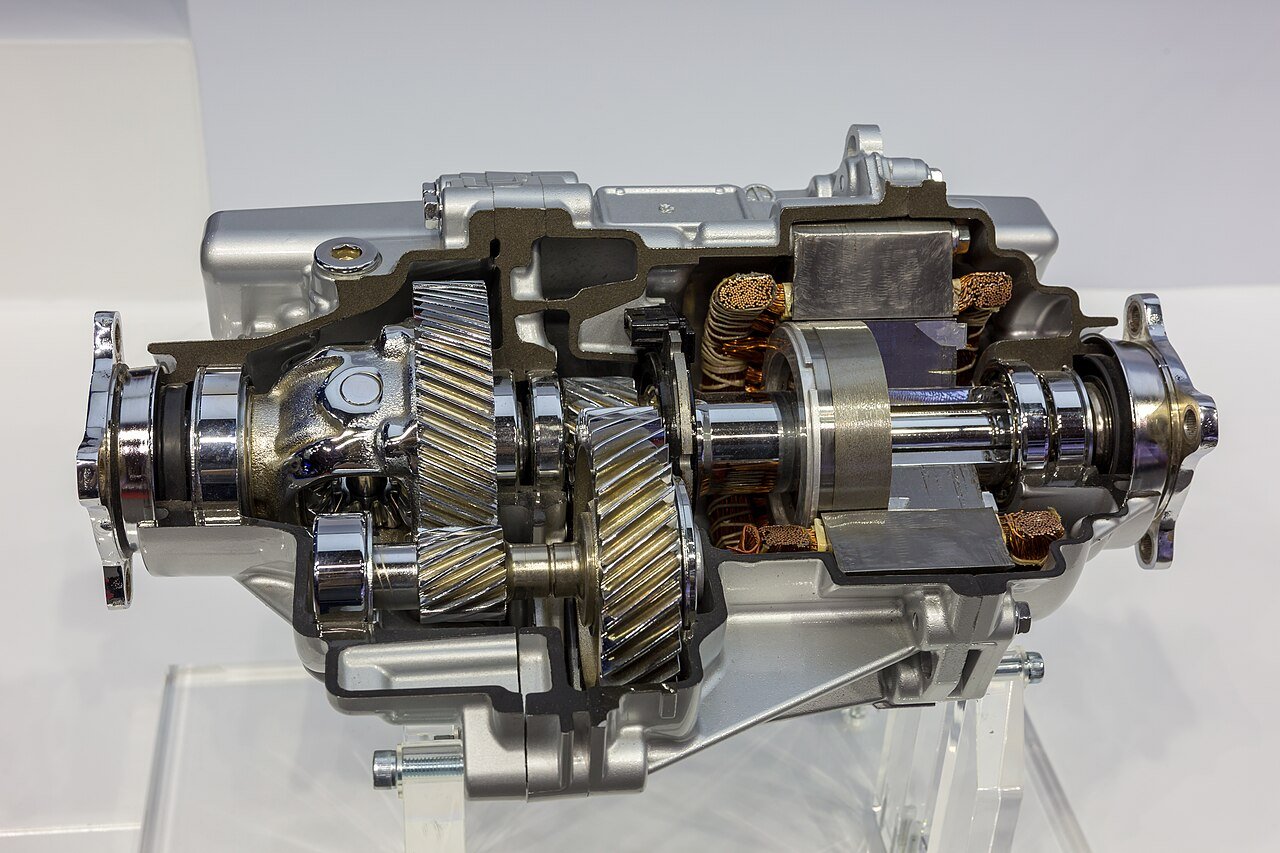
A burned-out garage door opener motor is one of the more frustrating repairs a homeowner can face, mainly because it is almost always preventable. Motors do not usually fail out of nowhere — they fail because they have been working harder than they should for months, straining against friction, imbalance, or obstruction the opener was never designed to fight through. Understanding what causes this strain is the key to avoiding it.
What Actually Causes Motor Burnout
1. An Unbalanced Door
The springs, not the motor, are supposed to do the heavy lifting of a garage door. The motor’s job is simply to guide the door along its track. If the springs are worn, improperly tensioned, or failing, the motor has to compensate by pulling significantly more weight than it was designed for, which generates excess heat and wears down internal gears far faster than normal.
2. Dry or Dirty Tracks and Rollers
Friction is one of the biggest hidden stressors on an opener motor. Dry rollers, a dirty track, or hinges that have never been lubricated all force the motor to push through resistance it should not have to deal with on every single cycle.
3. Obstructions and Misaligned Tracks
A door that rubs against a slightly bent track, or regularly encounters a minor obstruction, forces the motor to work in short bursts of overexertion. Over time, this kind of repeated strain is harder on the motor than one single heavy load.
4. Using the Opener Beyond Its Weight Rating
Garage door openers are rated for a specific door weight and size. Installing a heavier door (such as upgrading to an insulated steel door) without upgrading the opener’s horsepower rating puts the motor under constant unnecessary load.
5. Excessive Cycling in a Short Period
Motors need brief cooling periods between uses. Rapidly opening and closing the door multiple times in quick succession, common in households with frequent deliveries or multiple vehicles, can cause the motor to overheat, particularly in hot climates or an unventilated garage.
How to Prevent It
- Keep the door properly balanced. Test this twice a year by disconnecting the opener and lifting the door halfway by hand — it should stay in place without drifting up or down. If it does not, the springs need professional adjustment.
- Lubricate rollers, hinges, and the drive mechanism every six months to minimize friction.
- Check that the track is straight and properly aligned, tightening any loose brackets.
- Match the opener’s horsepower to your door’s actual weight, especially after any door replacement or upgrade.
- Give the motor a brief rest between repeated open-close cycles rather than operating it continuously.
- Keep the area around the motor unit ventilated, especially in garages that get hot during summer months.
Warning Signs the Motor Is Already Overworked
A motor that hums loudly, hesitates before moving the door, feels warm to the touch after a single cycle, or occasionally trips a breaker is already showing signs of excess strain. Catching these signs early and addressing the underlying cause — usually imbalance or friction — can prevent a full motor failure.
The Bottom Line
A garage door opener motor rarely fails from simple old age alone. Most burnouts trace back to avoidable mechanical strain that built up gradually. Keeping the door balanced, well-lubricated, and properly matched to the opener’s rated capacity is the most effective way to get a full, reliable lifespan out of the motor.