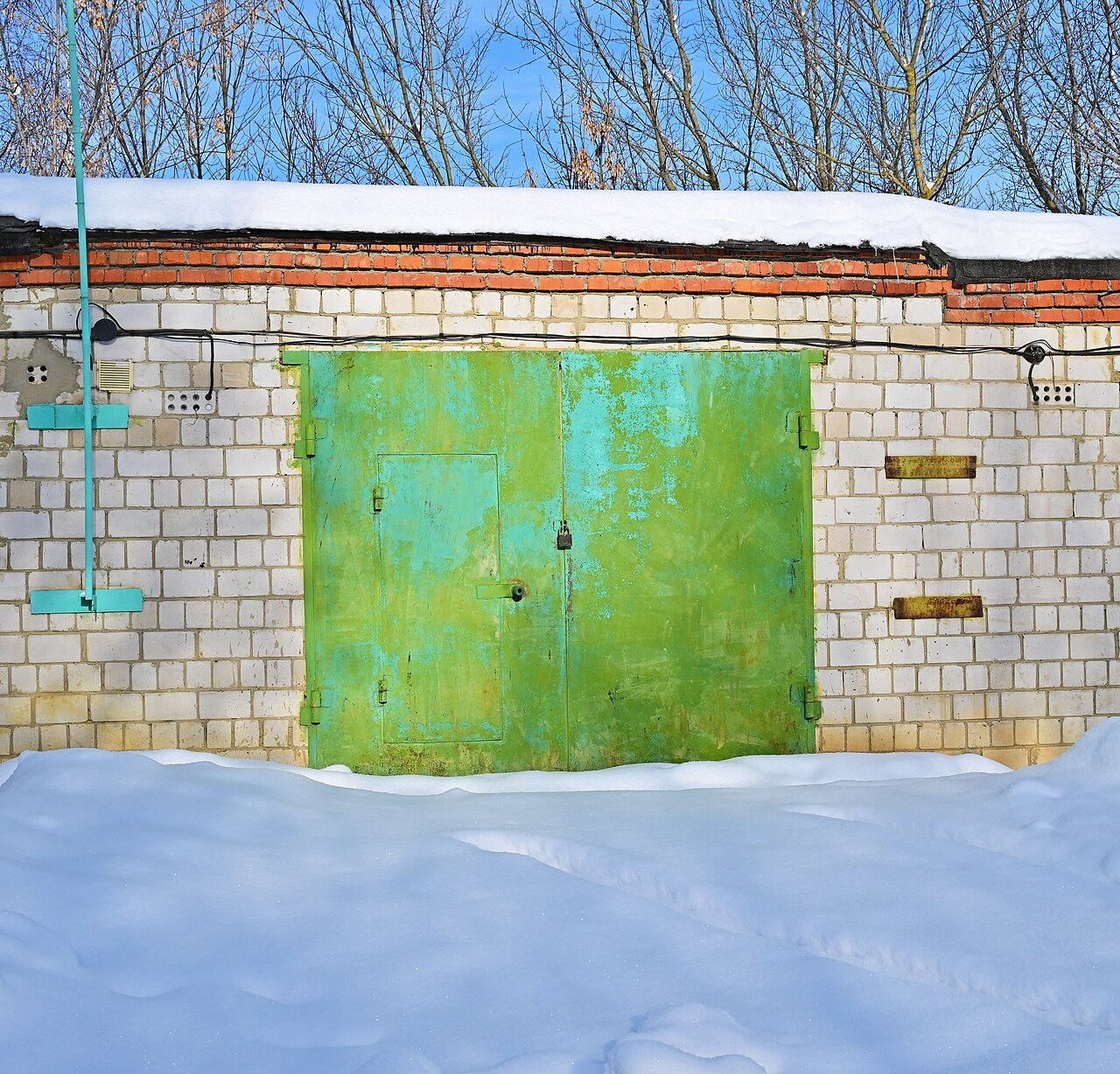
Cold weather is hard on garage door openers in ways that are easy to overlook until something stops working on the coldest morning of the year. Metal contracts, lubricant thickens, batteries lose capacity, and road salt finds its way into every moving part. A bit of preparation before winter sets in can prevent most of the season’s common breakdowns.
1. Switch to Cold-Weather Lubricant
Standard garage door lubricant can thicken and become less effective in freezing temperatures, adding resistance right when the motor is already working harder in the cold. A silicone-based lubricant rated for low temperatures stays effective and keeps rollers, hinges, and the drive mechanism moving smoothly through winter.
2. Check the Weatherstripping
The rubber seal along the bottom of the door is the main barrier against snow, ice, and cold drafts entering the garage. Cold temperatures make rubber more likely to crack or become brittle, so inspect it before winter and replace it if it is stiff, torn, or no longer sealing tightly against the floor.
3. Watch for Ice Buildup on the Track
Melting snow that refreezes overnight can form a thin layer of ice on the tracks, which increases friction and can cause the rollers to bind or skip. Clear visible ice before operating the door, and consider a track-safe de-icing product if this happens regularly in your climate.
4. Test the Battery Backup
Cold weather reduces battery capacity across the board, including the backup battery in openers equipped with one. Power outages are also more common in winter storms, which is exactly when a backup battery matters most. Test it during a planned outage simulation before the season’s first real storm.
5. Clean Road Salt and Grime Off the Tracks
Vehicles tracking in road salt and slush during winter can leave residue on the garage floor and lower sections of the track. This residue is corrosive to metal components over time. Wipe down the tracks and lower hardware periodically through the winter months to prevent rust buildup.
6. Check the Door’s Balance Before Cold Weather Hits
Temperature changes can slightly affect spring tension. If the door was already borderline out of balance in fall, winter cold can push it over the edge into making the motor work much harder. Test balance by disconnecting the opener and lifting the door halfway by hand — it should hold its position without drifting.
7. Insulate the Garage Door If You Have Not Already
An insulated garage door reduces how much the temperature swings inside the garage, which protects not just comfort but also the opener’s electronics and any vehicles or items stored there. Insulation kits are widely available for retrofitting non-insulated doors.
8. Keep the Opener’s Sensors Clear of Frost
The photo-eye safety sensors near the floor can occasionally develop a thin layer of frost or condensation in very cold, humid conditions, which can interfere with the beam. Wipe them clean if the door starts behaving oddly on particularly cold mornings.
The Bottom Line
None of these winter tasks take more than a few minutes individually, but together they prevent the two most common cold-weather garage door complaints: a motor that strains or fails in freezing temperatures, and a door that will not seal properly against snow and wind. A little preparation before the first freeze goes a long way toward avoiding a stuck door on the coldest day of the year.