A garage door that opens on its own, with no one pressing a button, is unsettling for both safety and security reasons. While it can feel like something out of a horror movie, the actual causes are almost always explainable and fixable once you know what to check.
1. A Stuck Remote or Wall Button
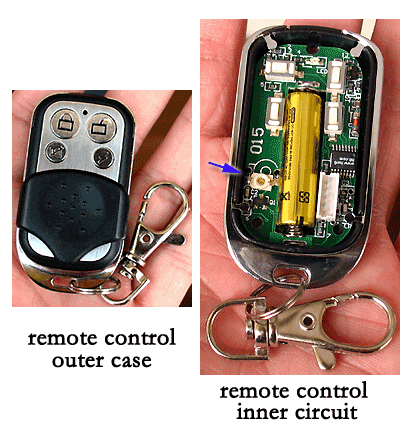
The single most common cause is a remote that is physically stuck in a hot car, a bag, or a pocket, with the button being pressed repeatedly by pressure from other objects. Similarly, a wall-mounted button with a sticky or worn switch can intermittently send a signal without anyone touching it. Check all remotes for a stuck button and inspect the wall console for a switch that does not spring back fully.
2. Signal Interference From a Neighbor’s Remote
Older garage door openers, particularly those made before the mid-1990s, used a fixed code rather than a rolling code for security. If you live near a neighbor with an older opener using the same fixed frequency, their remote can occasionally trigger your door. This is less common today but still happens in neighborhoods with a mix of old and new equipment.
3. A Power Surge or Electrical Glitch
A voltage spike, whether from a storm, a utility company switching event, or another appliance on the same circuit, can sometimes send a false signal to the opener’s logic board, causing it to activate briefly. If the self-opening happened once during or shortly after a storm, this is a likely explanation and may not recur.
4. A Failing Circuit Board
As openers age, the circuit board inside the motor housing can develop faults that cause random, unexplained activations. This is more likely if your opener is over ten years old and the self-opening has happened more than once without an obvious trigger like a stuck remote.
5. Smart Home Integration Issues
If your garage door opener is connected to a smart home app, voice assistant, or automation routine, a misconfigured automation (such as a schedule, geofence trigger, or a routine linked to another device) can open the door without a physical button press. Review any connected apps or automations tied to the garage door for unintended triggers.
6. Someone Else Has a Working Remote
Consider whether a previous homeowner, a contractor, or a family member still has a paired remote you are unaware of. This is especially worth checking if you recently moved into the home and never reset the opener’s paired devices. Clearing the opener’s memory and re-pairing only the remotes you currently have access to closes this gap.
7. Wiring Issues at the Wall Console
A pinched, frayed, or shorted wire running to the wall-mounted control panel can send false signals to the opener, similar to a stuck button. Inspect the wiring along the wall console for any visible damage, particularly if the wire runs near a door frame or has been stapled in a way that could pinch the insulation.
Security Precautions While You Investigate
Until you identify the cause, treat the situation as a security concern: avoid leaving valuables in the garage, consider temporarily disconnecting power to the opener overnight, and use the manual lock bar on the door track if your door has one, which physically prevents the door from being opened by the motor at all.
When to Call a Technician
If you have ruled out stuck buttons, checked for interference, and reviewed any smart home automations without finding the cause, a technician can test the circuit board and receiver directly to confirm whether a hardware replacement is needed.