Lost your original garage door remote, or need extras for family members without wanting to buy brand-specific replacements at a premium price? Universal garage door remotes are designed to work across multiple opener brands, but not all of them are equally reliable. Here’s what actually matters when choosing one.
What “Universal” Actually Means
A universal remote doesn’t work with literally every opener out of the box – instead, it’s designed to be programmed to match the specific frequency and rolling code (or fixed code, on older systems) that your particular opener brand uses. Compatibility is typically listed by brand and sometimes by opener model year, so always check the compatibility list for your specific opener before buying, rather than assuming “universal” means universal in the literal sense.
Rolling Code vs Fixed Code Compatibility
Modern openers use rolling code technology, where the remote’s access code changes automatically after every single use, which prevents thieves from recording your signal with a code-grabbing device and replaying it later. A quality universal remote needs to properly support rolling code synchronization with your specific opener brand – cheap universal remotes that only support older fixed-code systems won’t work correctly, or at all, with most openers manufactured in the last 15-plus years.
Single-Button vs Multi-Button Models
If you only need to control one garage door, a single-button remote is simpler and cheaper. If you have two doors, a gate, or want to also control exterior lighting connected to the same system, a multi-button universal remote (typically 2 to 4 buttons) lets you program each button to a different device from a single handheld unit, which is more convenient than carrying multiple separate remotes.
Mini Clip-On vs Visor-Style Remotes
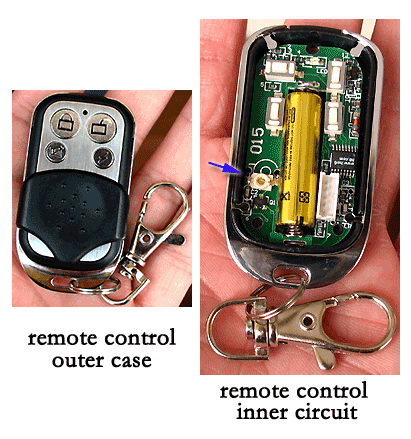
Universal remotes generally come in two physical formats: small clip-on units that attach to a keychain or visor clip, and larger visor-mount remotes designed to stay permanently in the vehicle. Clip-on models are more versatile since they travel with your keys and work from any vehicle, while visor-mount units are typically a bit more durable and have a slightly longer transmission range, making them a solid choice for a primary household vehicle.
Programming Difficulty
Programming a universal remote to your specific opener brand usually takes a few minutes and involves pressing a “learn” button on the opener’s motor unit (not the wall panel) and then pressing a button sequence on the new remote within a set time window. Instructions vary meaningfully by brand, so look specifically for a universal remote that includes brand-specific programming instructions, or confirm the printed manual covers your exact opener brand, rather than a generic instruction sheet that may not match your system.
Reliability and Range Considerations
Cheaper universal remotes sometimes have a noticeably shorter working range than the original manufacturer remote, meaning you may need to be closer to the garage before it responds. If range is important to you (for example, a long driveway), check user reviews specifically for range complaints before buying, since this varies more between universal remote models than most buyers expect.
Bottom Line
Before buying a universal remote, confirm it explicitly lists your opener’s brand (and ideally model) as compatible, supports rolling code if your opener uses it (nearly all modern openers do), and matches the physical format (clip-on vs visor) that fits how you’ll actually use it. A universal remote from a reputable accessory brand with clear compatibility documentation is a reliable and much cheaper alternative to an original manufacturer replacement remote.