A garage door opener is one of the hardest-working mechanical systems in your home, cycling open and closed dozens of times a week. Most people never think about maintaining it until something breaks. A simple routine, split into monthly and yearly tasks, can add years to its life and catch small problems before they become expensive repairs.
Monthly Checks (5 Minutes)
Once a month, walk through these quick checks while the door is in use:
- Listen for new noises. Grinding, popping, or rattling sounds that were not there before usually mean a part is wearing out or working loose.
- Watch the door’s movement. It should travel smoothly in a straight line. Jerking, hesitating, or sagging to one side points to a track or cable problem.
- Test the auto-reverse safety feature. Place a roll of paper towels in the door’s path and close it. The door should reverse immediately on contact. If it does not, stop using the opener and have it serviced.
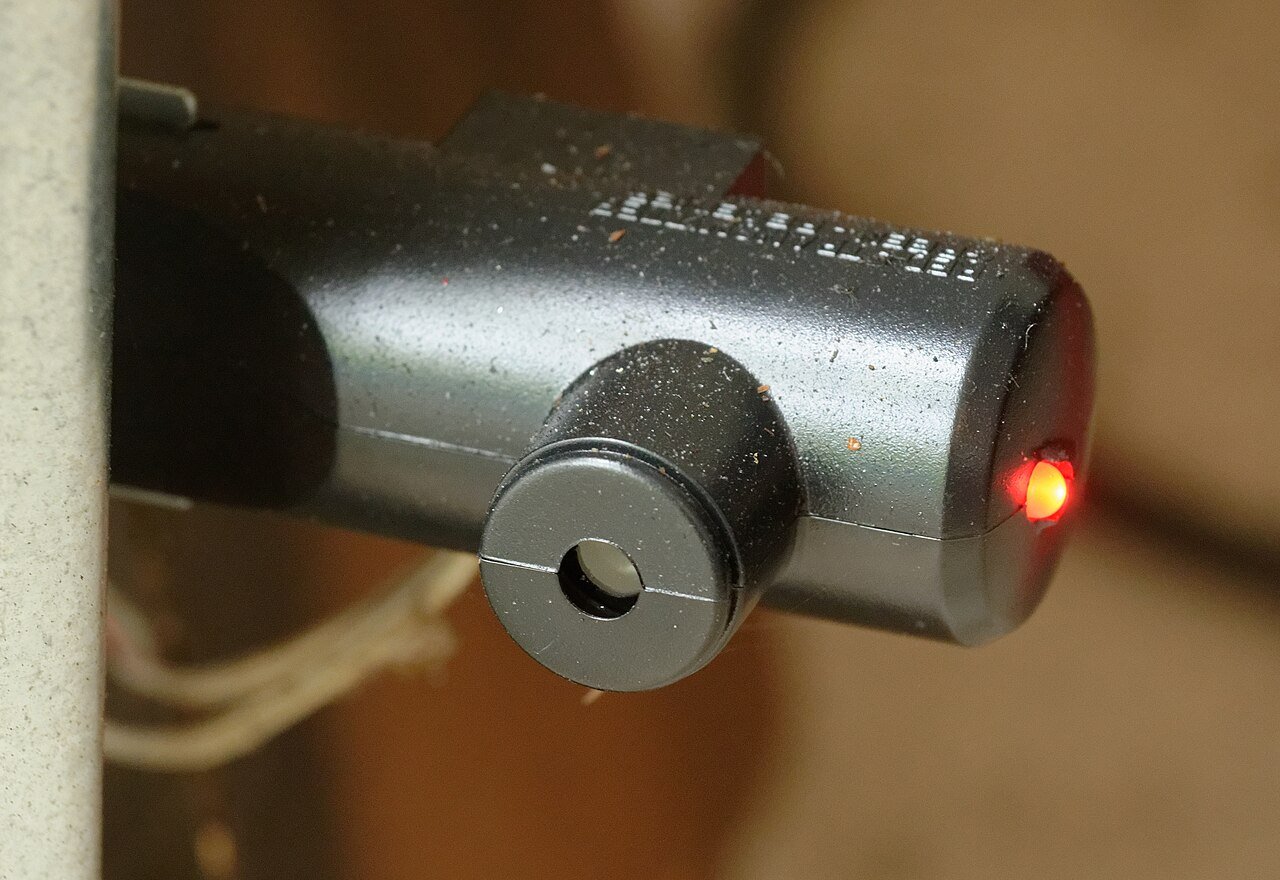
- Check the photo-eye sensors. The small sensors near the floor on each side of the track should have steady, aligned lights. A blinking or off light usually means they are dirty, misaligned, or obstructed.
Quarterly Tasks
Every three months, add these to your routine:
- Tighten hardware. Track brackets, roller brackets, and mounting bolts loosen naturally from vibration. A socket wrench and a few minutes is usually all it takes.
- Lubricate moving parts. Rollers, hinges, and the opener’s chain or screw drive benefit from a light coat of garage-door-specific lubricant (not WD-40, which washes grease away rather than replacing it).
- Inspect the weatherstripping. The rubber seal along the bottom of the door keeps out water, dust, and pests. Replace it if it is cracked or brittle.
Yearly Tasks
Once a year, go through a more thorough inspection:
- Check the balance of the door. Disconnect the opener by pulling the manual release cord, then lift the door halfway by hand. It should stay in place on its own. If it falls or shoots upward, the springs are out of balance and need professional attention.
- Inspect cables and springs visually. Look for fraying, rust, or gaps in the coils. Do not attempt to adjust or replace springs yourself — they store a dangerous amount of tension and are best left to a trained technician.
- Test the battery backup if your opener has one, and replace it every 2-3 years even if it still seems to work.
- Clean and lubricate the opener’s drive mechanism according to the manufacturer’s manual.
Why This Routine Matters
Garage door openers rarely fail without warning. Most of the frustrating, inconvenient breakdowns — a door that will not close, a remote that stops working, a motor that strains and overheats — trace back to a small issue that went unnoticed for months. A consistent maintenance habit is the cheapest insurance you can buy for one of the largest moving objects in your house.
When to Call a Professional
Routine lubrication, tightening, and visual inspection are safe for most homeowners. Anything involving the torsion or extension springs, the cables under tension, or the opener’s internal electronics should go to a licensed garage door technician. These components can cause serious injury if mishandled, and the cost of a service call is small compared to the risk.