Hearing your garage door opener’s motor hum, click, or grind away while the door itself stays completely still is unsettling, but it is also one of the more diagnosable problems you can run into. The noise itself is actually a clue, since different sounds point to different mechanical issues.
Humming Sound With No Movement
A steady electrical hum usually means the motor is receiving power and trying to run, but something downstream is preventing the drive mechanism from engaging. The most frequent cause is a disengaged trolley, which happens when the manual release cord has been pulled (intentionally or by accident) and the carriage is no longer locked onto the drive chain or belt.
Grinding or Chattering Noise
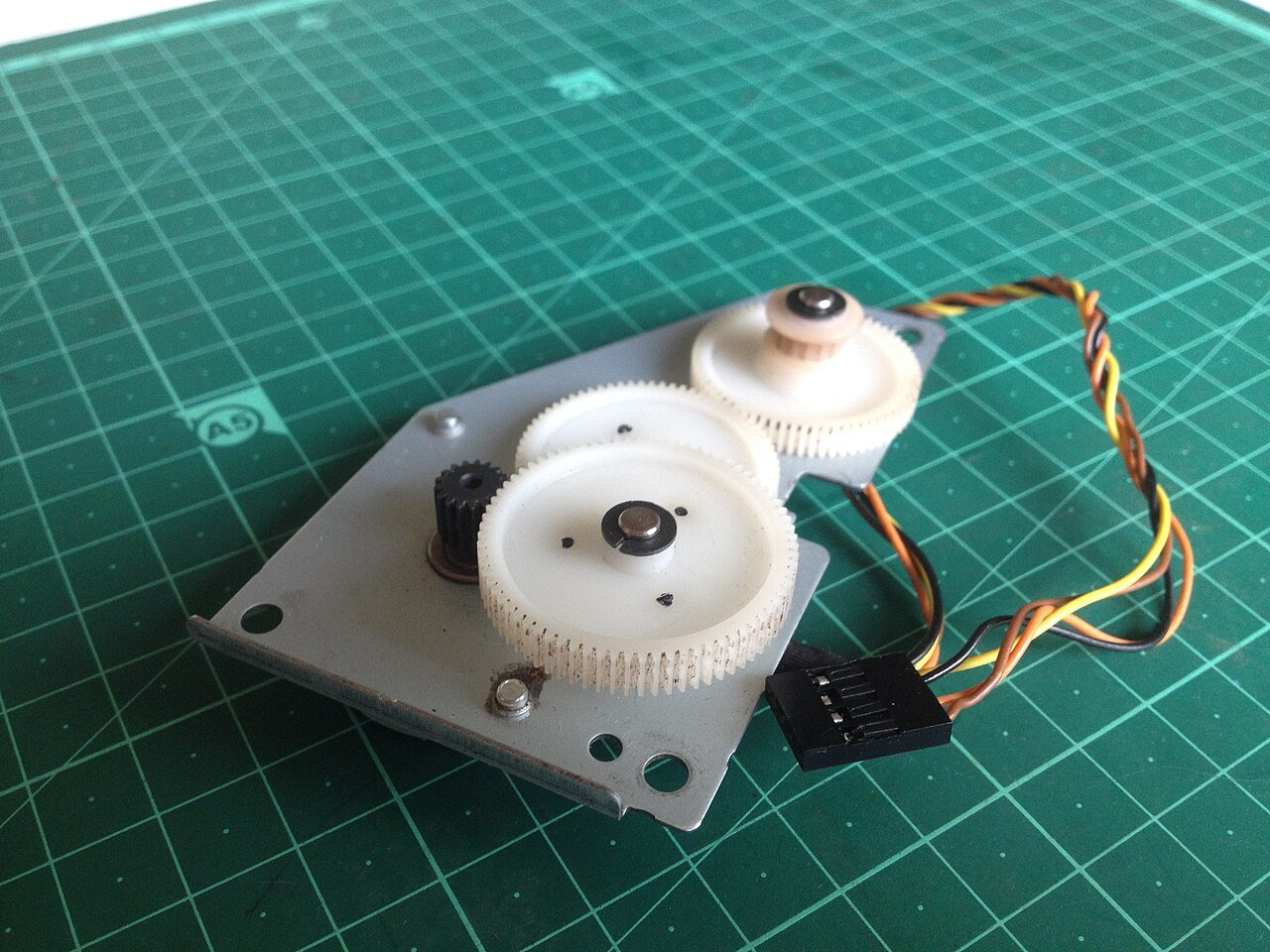
A grinding sound, especially one that seems to come from inside the motor housing, often indicates a stripped drive gear. This small plastic gear inside the unit is intentionally designed to be a wear item that fails before the more expensive motor does, protecting the rest of the system from damage. Unfortunately it does need to be replaced once stripped, since the gear teeth will no longer catch the chain or belt properly.
Clicking With No Door Response
Repeated clicking without any door movement can point to a failing capacitor inside the motor, which provides the extra electrical push needed to start the motor spinning under load. Capacitors weaken with age and heat exposure, and a failing one often produces this exact symptom, especially in warmer climates or garages that get direct sun exposure.
Check the Drive System Type
Chain-drive, belt-drive, and screw-drive openers each fail in slightly different ways. On a chain-drive unit, inspect the chain for visible slack, since a chain that has jumped its sprocket will spin freely without engaging. On a screw-drive unit, check that the lubricated rail has not dried out, which can cause the trolley to bind rather than travel smoothly.
Inspect the Trolley Carriage
The trolley is the small carriage that rides along the rail and connects to the door’s arm bracket. If the trolley has come loose from the chain or belt, or if the connecting pin has fallen out, the motor will run normally but there will be no mechanical connection to the door itself. This is a quick visual check with the garage light on.
Rule Out a Door-Side Obstruction
Sometimes the noise is actually the motor straining against resistance, not running freely. Painted-shut tracks, a bent roller, or debris in the track can create enough resistance that the opener strains and makes noise without actually moving the door. Open the manual release and try moving the door by hand; if it feels stiff or catches at a certain point, the problem is mechanical rather than electrical.
Safety Note on Springs
If the door feels unusually heavy when operated manually, or if you notice a visibly stretched or broken spring above the door, stop troubleshooting immediately and do not attempt to force the door. Torsion and extension springs store a dangerous amount of mechanical energy, and spring-related repairs are best left to a licensed professional.
Next Steps
Once you have identified whether the issue is the trolley, the gear, the capacitor, or a track obstruction, most parts are inexpensive and available from the opener manufacturer or a local hardware store, and many of these fixes are well within reach for a confident DIYer with basic tools.