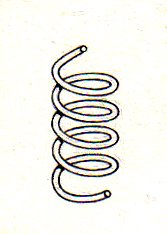
Garage door springs are, by a wide margin, the most dangerous component in a residential garage. They store an enormous amount of mechanical energy — enough to lift a door that can weigh 150 to 400 pounds — and when that energy releases suddenly, the results can be severe. Emergency rooms see thousands of garage door spring injuries every year, many involving broken fingers, facial injuries, and worse. This guide is not a repair tutorial. It exists to explain why certain tasks should always be left to a licensed professional.
How Garage Door Springs Work
Most residential garage doors use one of two spring systems: torsion springs, mounted on a metal bar directly above the door opening, or extension springs, mounted along the horizontal tracks on either side. Both store tension by being wound or stretched tightly, and that tension does the heavy lifting the door opener motor cannot do on its own. A fully wound torsion spring can contain enough stored force to seriously injure or kill someone if it unwinds uncontrolled.
What Homeowners Should Never Do
1. Never Attempt to Adjust or Replace a Spring Yourself
Even experienced DIYers with mechanical skills should not attempt spring work without specialized tools, including winding bars rated for the job. Household tools like screwdrivers are not designed for this and are a leading cause of injury when people improvise.
2. Never Loosen a Spring Without Releasing Tension Properly
There is a correct, specific sequence for safely releasing tension from a torsion spring. Skipping steps or rushing the process is how fingers get caught and bones get broken.
3. Never Work on a Spring With the Door in the Wrong Position
Professionals position the door and disconnect the opener in a precise way before any spring work begins. Doing this incorrectly can cause the door to fall unexpectedly while someone is working underneath it.
4. Never Ignore Visible Spring Damage
A spring with visible rust, gaps between coils, or a separated section is at high risk of snapping. If you notice this, stop using the garage door opener and call a technician before attempting to open or close the door again, even manually.
5. Never Let Children or Pets Near a Door During Spring Service
Keep the area completely clear whenever a technician is working. Sudden spring movement during adjustment can send tools or hardware flying.
Warning Signs of a Failing Spring
- A loud bang coming from the garage, often mistaken for something falling (this is frequently the sound of a spring breaking)
- The door feels unusually heavy when operated manually
- The door opens unevenly, with one side higher than the other
- Visible gaps or separation in the coil
- The opener strains audibly and takes longer than normal to lift the door
What You Can Safely Do
Visual inspection from a distance, listening for unusual sounds, and noticing changes in how the door moves are all safe and useful habits. If anything looks or sounds wrong, the correct next step is always the same: stop using the door and call a licensed garage door technician. The cost of a professional spring replacement is minor compared to the medical and financial cost of a serious injury.
The Bottom Line
Garage door springs are not a DIY project, regardless of how many online tutorials suggest otherwise. The combination of high tension, heavy components, and the narrow margin for error makes this one of the few home maintenance tasks where hiring a professional is simply the only responsible choice.