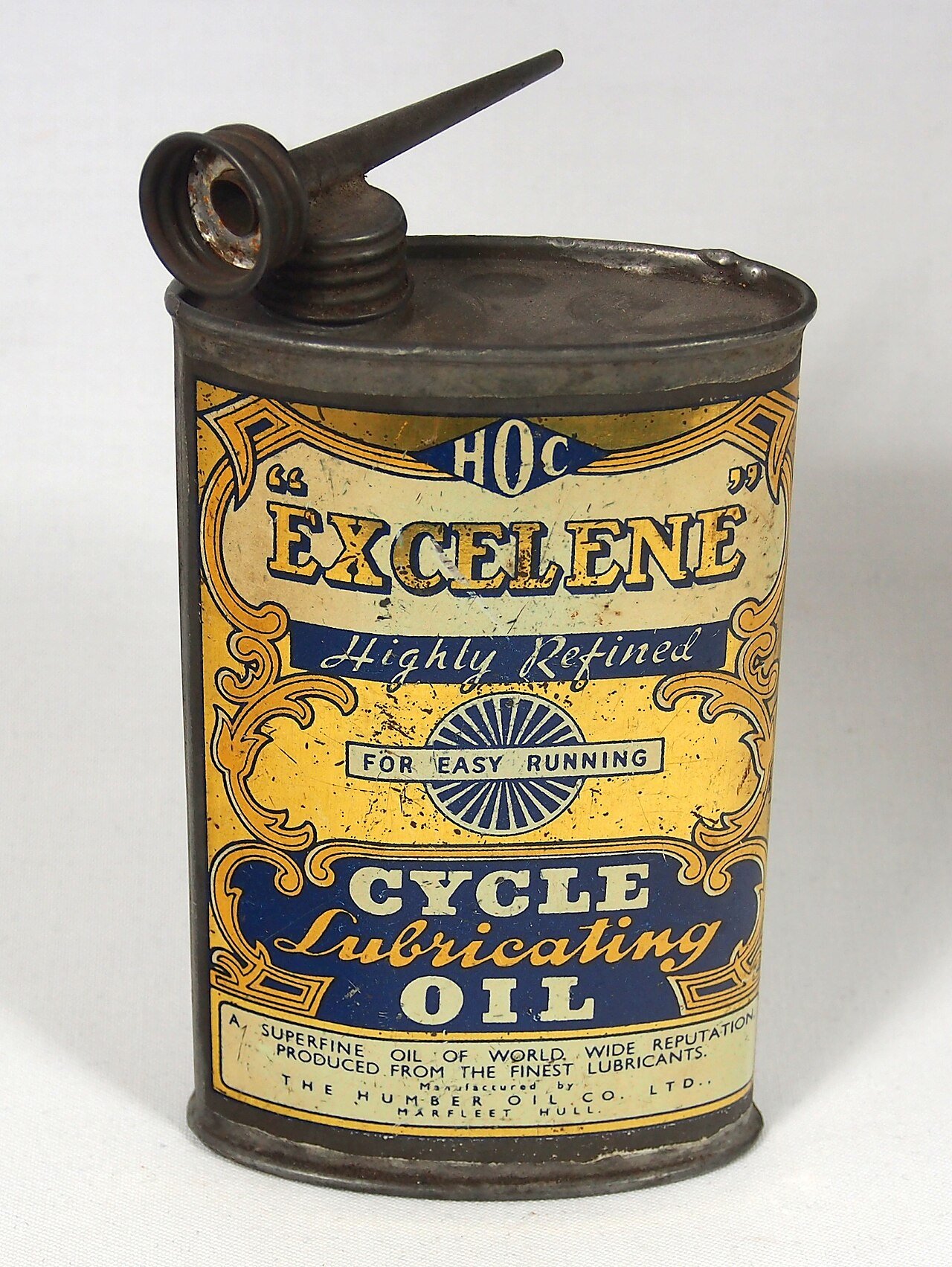
Lubrication is the single cheapest thing you can do to keep a garage door opener running quietly and smoothly for years. Most of the squeaking, grinding, and jerky movement people assume means a failing motor is actually dry metal rubbing against metal. A proper lubrication routine takes about 15 minutes, twice a year, and needs no special tools.
What to Use (and What to Avoid)
Use a silicone-based or lithium-based garage door lubricant, sold in any hardware store specifically for this purpose. Avoid WD-40 and similar penetrating oils as a long-term lubricant — they are solvents designed to loosen rust and dissolve old grease, and they actually strip away lubrication over time rather than replacing it. Avoid thick grease on the chain or belt, since it attracts dust and grime that accelerates wear.
Parts That Need Lubrication
1. Rollers
Spray a light coat directly onto the roller bearings, not the track itself. If your door has nylon rollers, they generally need little to no lubrication; steel rollers benefit the most.
2. Hinges
Every hinge connecting the door panels should get a small amount of lubricant at the pivot point. Wipe away any excess so it does not drip onto the floor.
3. Torsion Spring (Light Coating Only)
A thin coat of lubricant on the torsion spring reduces friction and noise. Do not attempt to adjust, stretch, or remove the spring itself — it is under extreme tension and should only be serviced by a professional.
4. The Opener’s Chain or Screw Drive
If you have a chain-drive opener, apply a small amount of lubricant along the chain. Screw-drive openers need white lithium grease applied along the threaded rod. Belt-drive openers generally do not need lubrication at all.
5. Track (Cleaning, Not Lubricating)
The track itself should be wiped clean with a damp cloth, not lubricated. A greasy track collects dust and debris that can cause the rollers to bind.
Step-by-Step Process
- Disconnect the opener or make sure the door is fully closed and the power is off for safety.
- Wipe down the tracks with a clean, damp rag to remove built-up grime.
- Apply lubricant to each roller bearing, moving the door by hand (or in short bursts with the opener) to work it into every roller as it passes.
- Lubricate each hinge along the door panels.
- Apply a light coat to the torsion spring, wiping away drips.
- Lubricate the chain, screw drive, or belt according to your opener type.
- Run the door through a full open-close cycle and listen for any remaining noise.
How Often to Repeat
Twice a year is usually enough for most households. If you live somewhere with heavy dust, sand, or salt air, consider lubricating quarterly, since these conditions wear out lubrication faster and increase friction on moving parts.
Signs You Are Overdue
If the door is noticeably louder than it used to be, if you notice rust-colored dust under the rollers, or if the door opener seems to strain more than usual, it is a strong sign that lubrication is overdue. Catching this early prevents unnecessary wear on the motor and the gears inside the opener unit.